Nightstands Set of 2: How to Choose a Matching Pair
Choose a matching nightstand pair by bed height, room width, storage, and finish.
Start with the bed
A pair of nightstands should frame the bed, not crowd it. Measure the space on both sides of the bed. If one side is against a wall, a narrower nightstand or a wall shelf may work better than a full pair.
Match the height
Both nightstands should sit at the same height, and both should be within a few inches of the mattress top. A matching pair makes the room feel intentional and keeps the lamps at a consistent height.
Choose the storage
- If the nightstands are mostly for a lamp and a phone, one drawer each is enough.
- If you need clothing storage, choose two or three drawers.
- If the room is small, open shelves can feel lighter.
Check the width
A nightstand should not block the path around the bed. Leave enough room to walk between the nightstand and the wall or closet. In a small bedroom, a 18- to 22-inch-wide nightstand is usually easier to place than a 28-inch piece.
Finish and style
A matching pair can be the same finish as the bed or a deliberate contrast. If the bed is dark wood, a lighter pair can keep the room from feeling heavy. If the bed is upholstered, a wood pair adds warmth.
Delivery and assembly
Two nightstands mean two boxes and two assembly sessions. Check the package dimensions and the tools required. If the room is upstairs, check the weight before ordering.
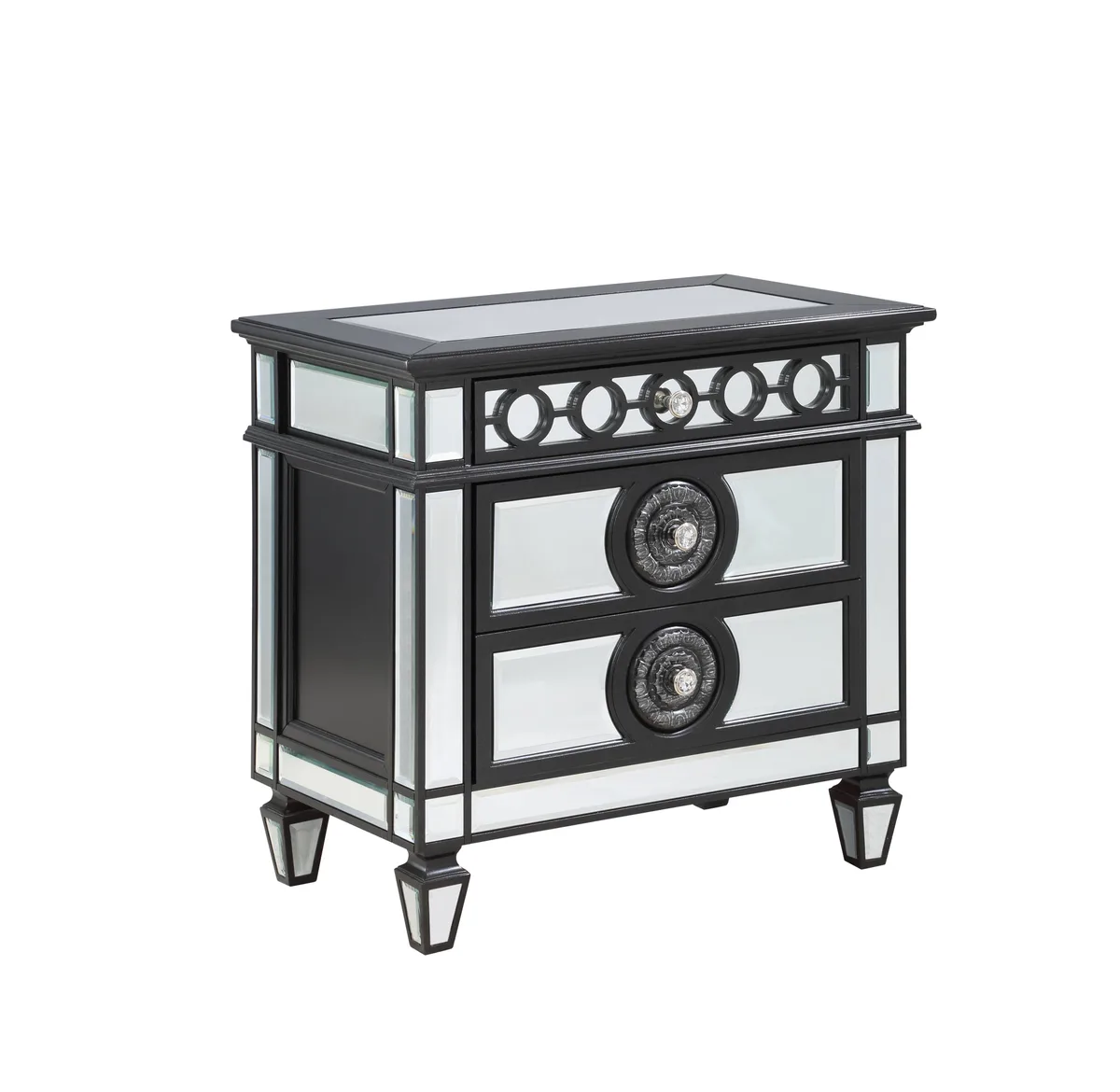
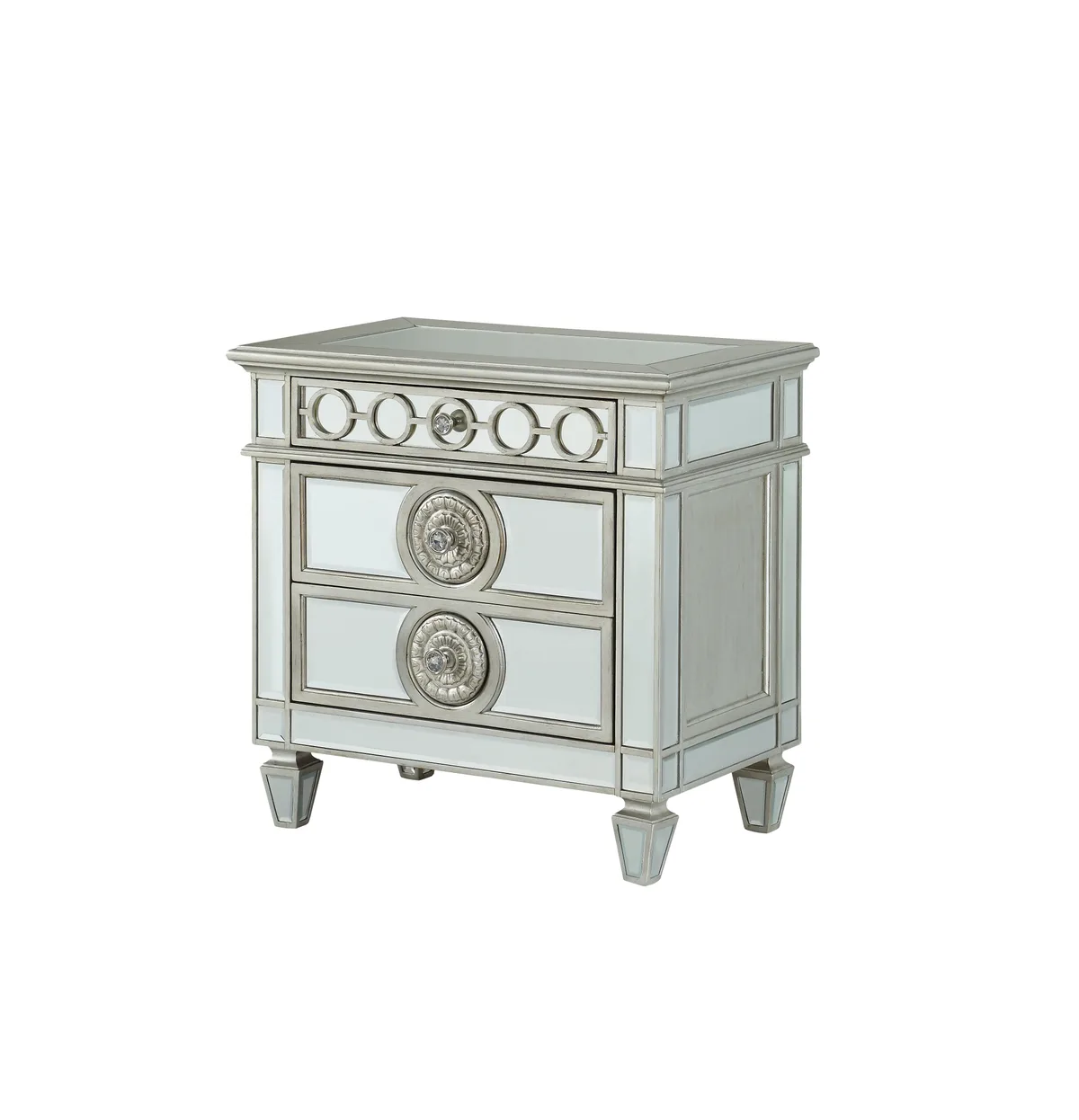
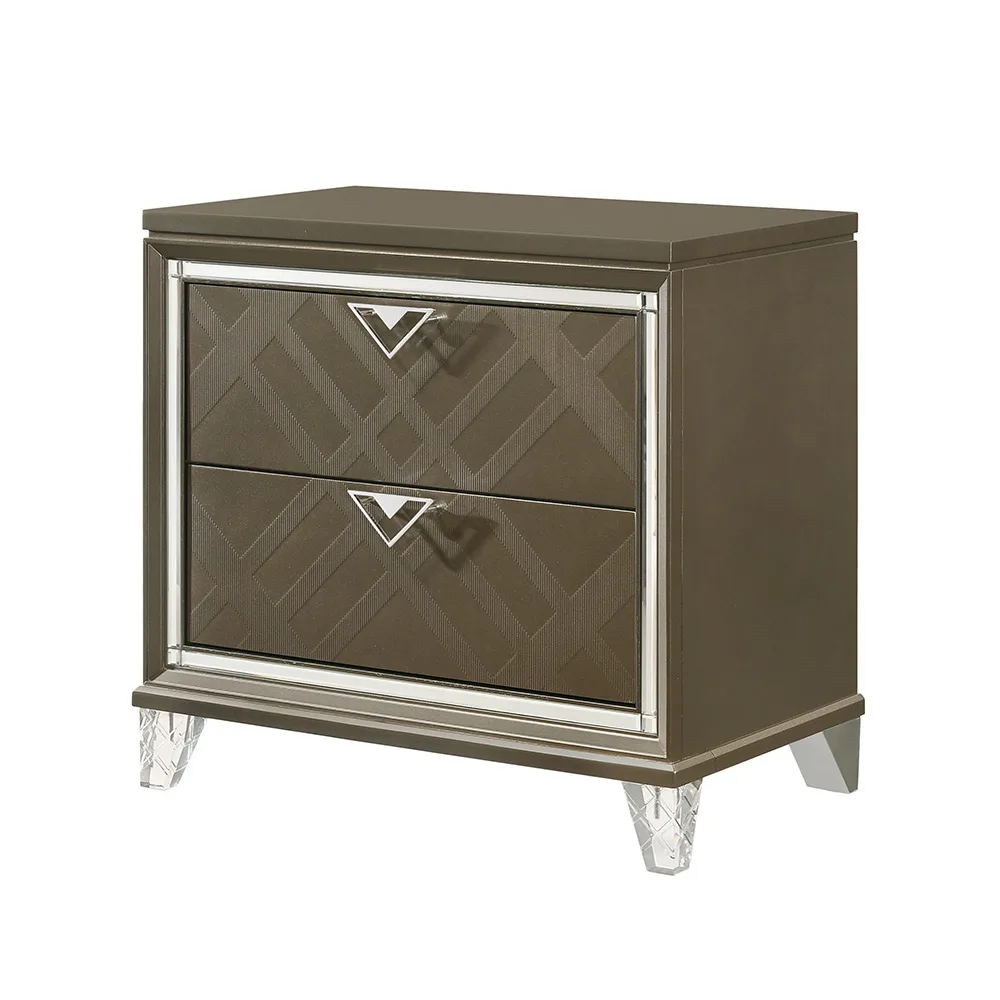
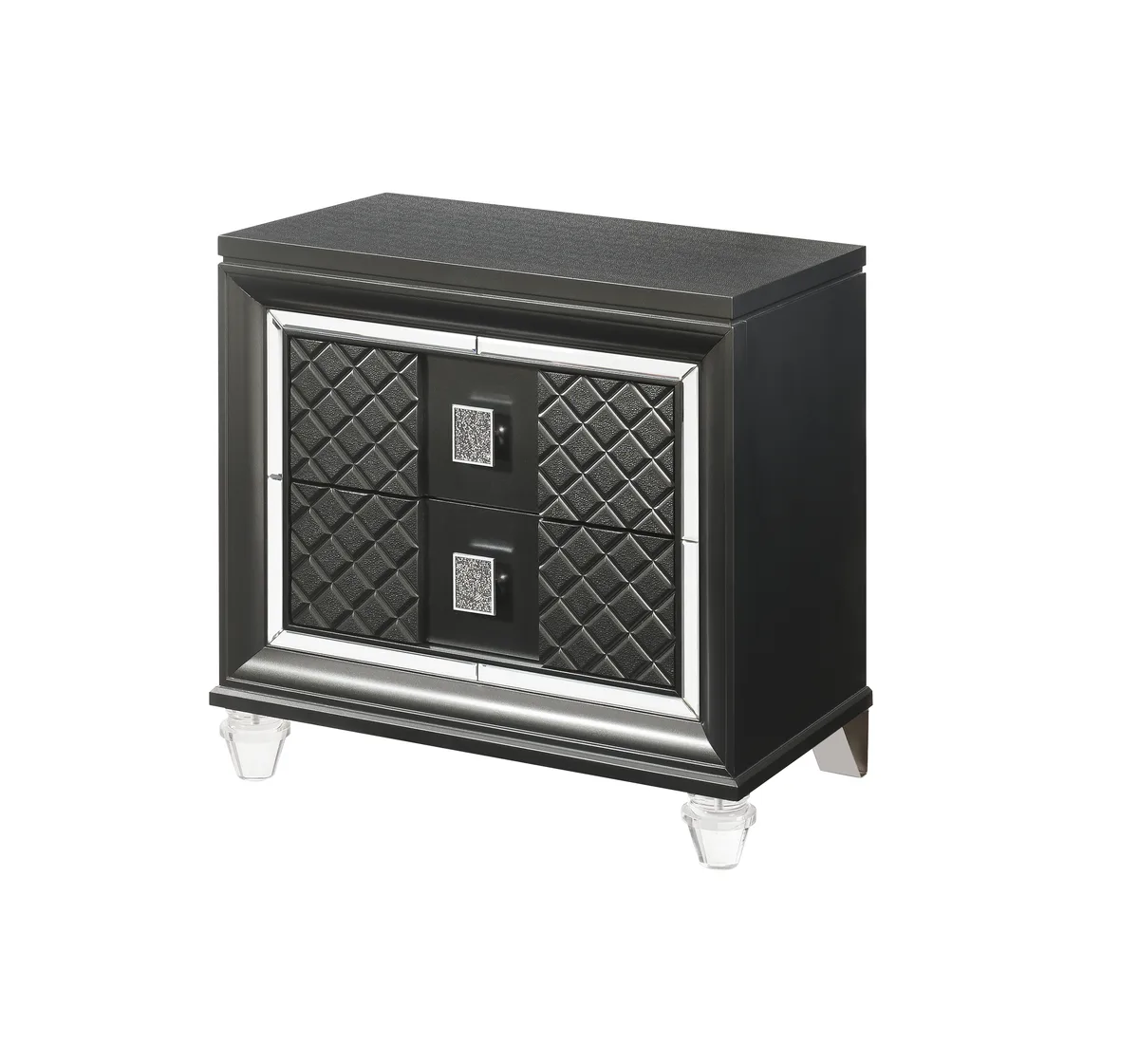
Pieces that fit this advice.
Related guides.
Nightstand Size & Height Guide
Match nightstand height to your mattress and choose the right drawer layout.
Read the guide →How to Measure Your Space Before Buying Furniture
A simple measuring checklist for furniture: floor space, doorways, walkways, and chair clearance.
Read the guide →