Bench Buying Guide: Entryway, Bedroom, and Dining Nooks
Choose a bench by length, depth, storage, and the room it will serve.
Start with the job
A bench can be a place to put on shoes, a seat at the foot of a bed, or a compact dining nook. The job determines the length, depth, and whether you need storage.
Entryway benches
An entryway bench should be shallow enough to leave a walkway and long enough to sit comfortably. A 36- to 48-inch bench works in many entryways. If the space is tight, a 30-inch bench or a stool may be enough.
Bedroom benches
A bench at the foot of a bed should leave room to walk around it. Measure the gap between the bed and the wall or dresser. A bench with a low profile keeps the room from feeling crowded.
Dining nooks
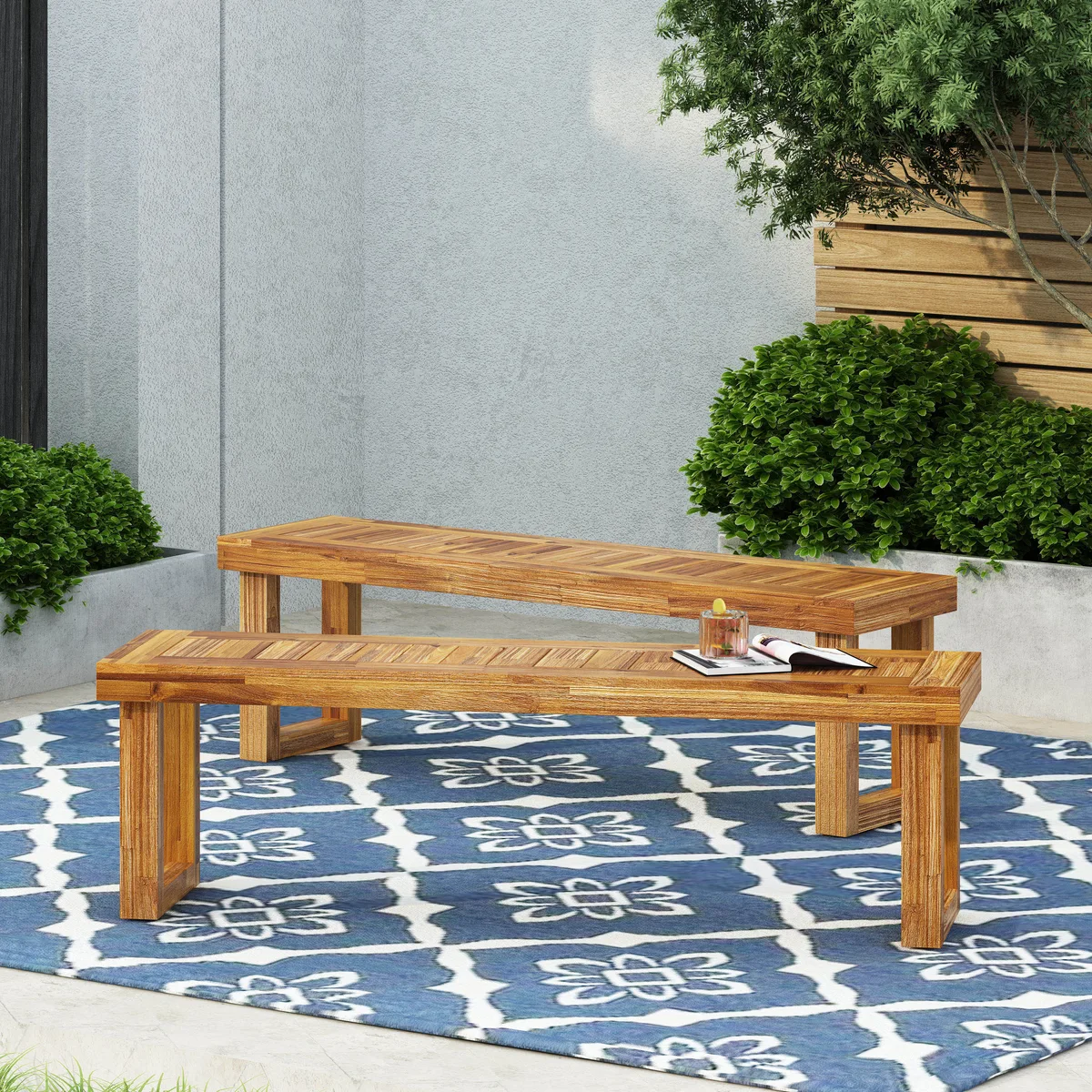
A bench can fit more people into a small dining area than individual chairs. Look for a bench that matches the table height and leaves enough knee room. A bench with a back is more comfortable for long meals.
Storage
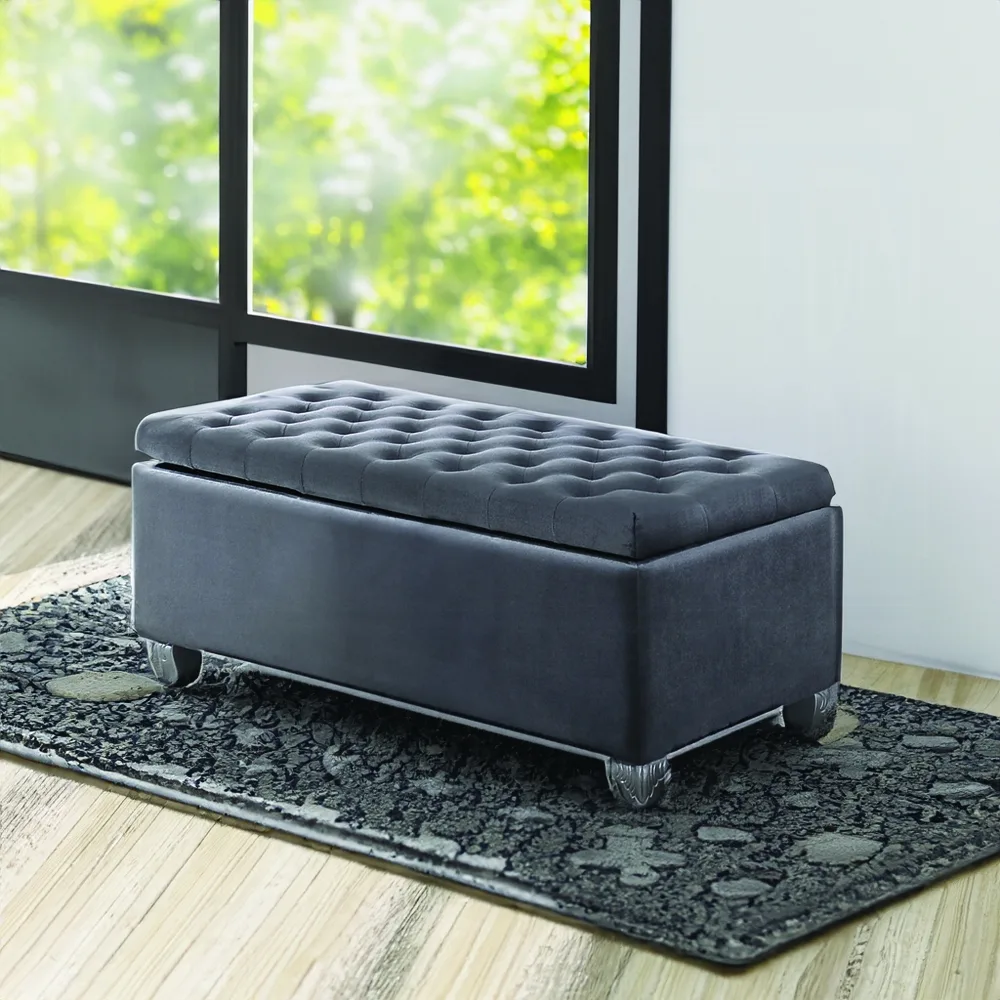
A storage bench hides shoes, blankets, or toys, but the lid or drawer needs clearance to open. Check the interior dimensions before you buy. If the bench is in a high-traffic area, choose a lid with a soft-close hinge or a drawer that does not pinch.
Materials and care
Wood benches are durable and easy to wipe. Upholstered benches are more comfortable but need more care. If the bench is for an entryway, favor a wipeable surface and a sturdy frame.