Pantry Cabinet Buying Guide
Choose a pantry cabinet by shelf count, depth, door style, and kitchen clearance.
Measure the wall and the door
A pantry cabinet is only useful if it fits the wall and the door can open. Measure the width, height, and depth of the available space, then add a few inches for the door swing and the baseboard.
Shelf count and spacing
A good pantry cabinet has adjustable shelves so you can fit cereal boxes, cans, and small appliances. Check the interior height between shelves. A tall, narrow cabinet can hold more than a wide, short one in a small kitchen.
Depth
A 12- to 16-inch depth is usually enough for dry goods. A deeper cabinet can hold appliances but may crowd the kitchen walkway. Measure the path in front of the cabinet before you choose.
Door style
- Closed doors hide clutter and keep the kitchen calm.
- Open shelves are easy to access but collect dust.
- Glass doors are a display option, but they show everything inside.
Stability
A tall pantry cabinet should be anchored to the wall, especially in a home with children or pets. Check the weight of the cabinet and the hardware included.
What to store
Keep heavy items on the lower shelves and lighter items above. Use bins to group small items and keep the shelves easy to wipe. Do not overload a tall cabinet; it can tip if the weight is unbalanced.
Pieces that fit this advice.
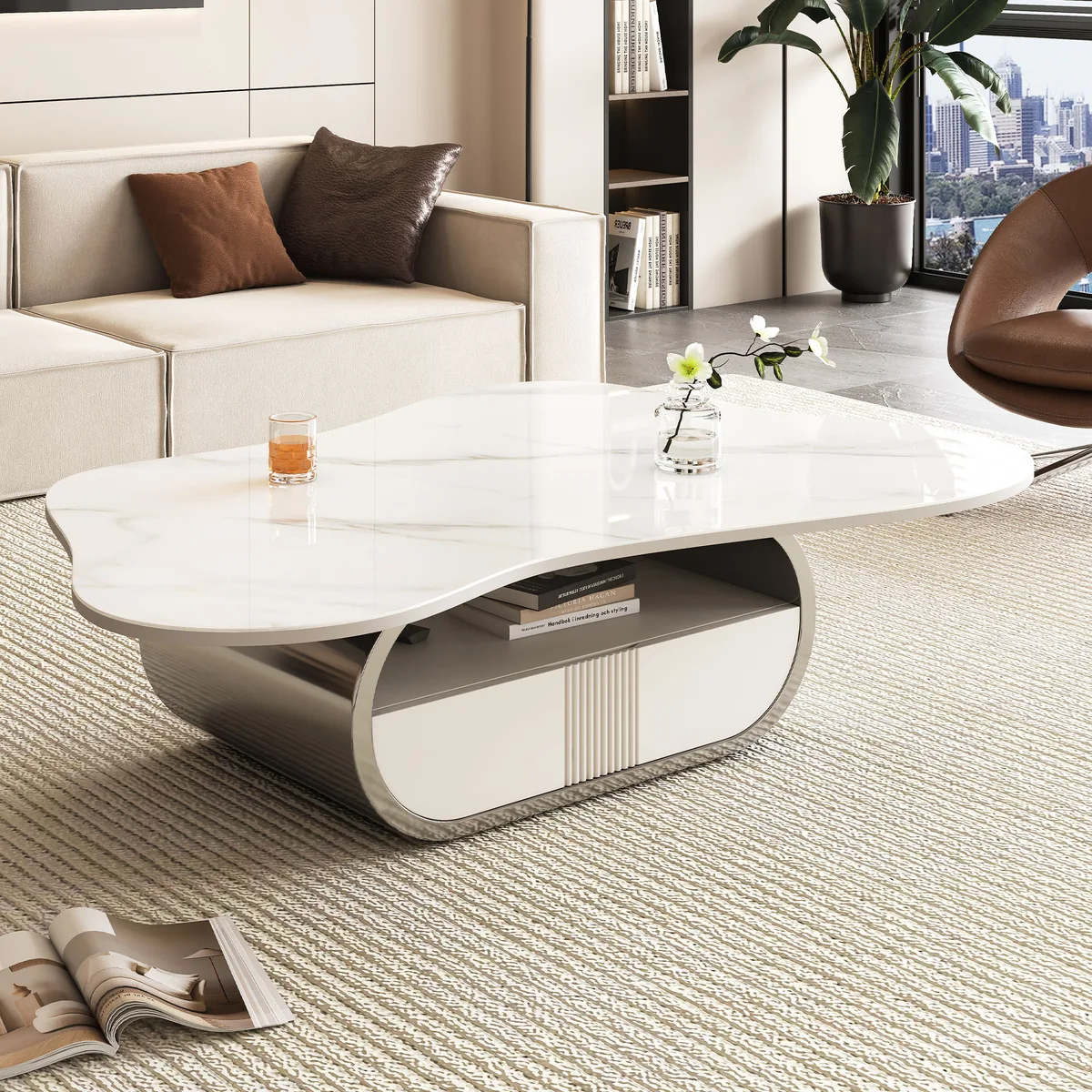 Modern
 Butterfly Coffee Table with Sintered Stone Top – Oval Center Table with
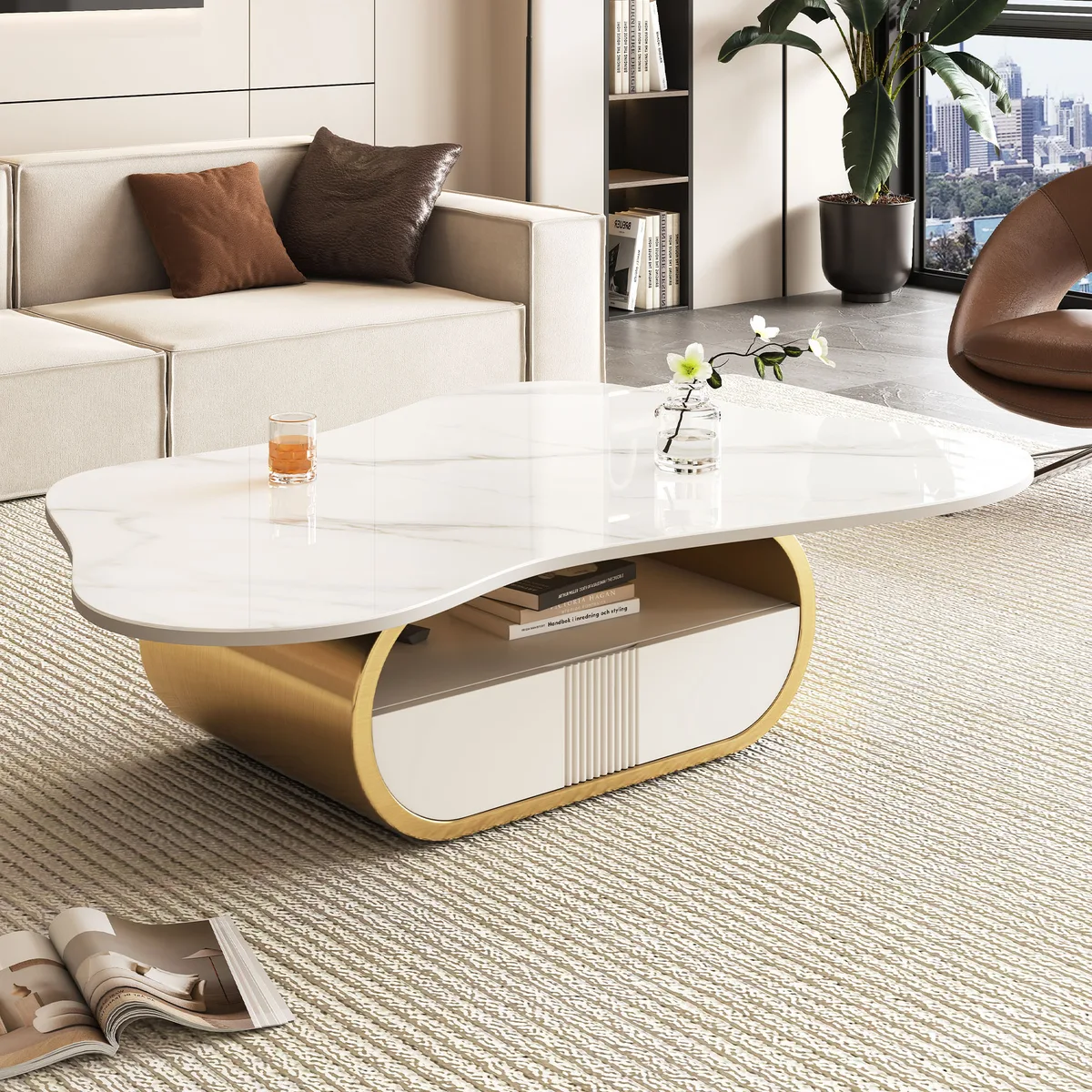 Modern
 Butterfly Coffee Table with Sintered Stone Top – Oval Center Table with
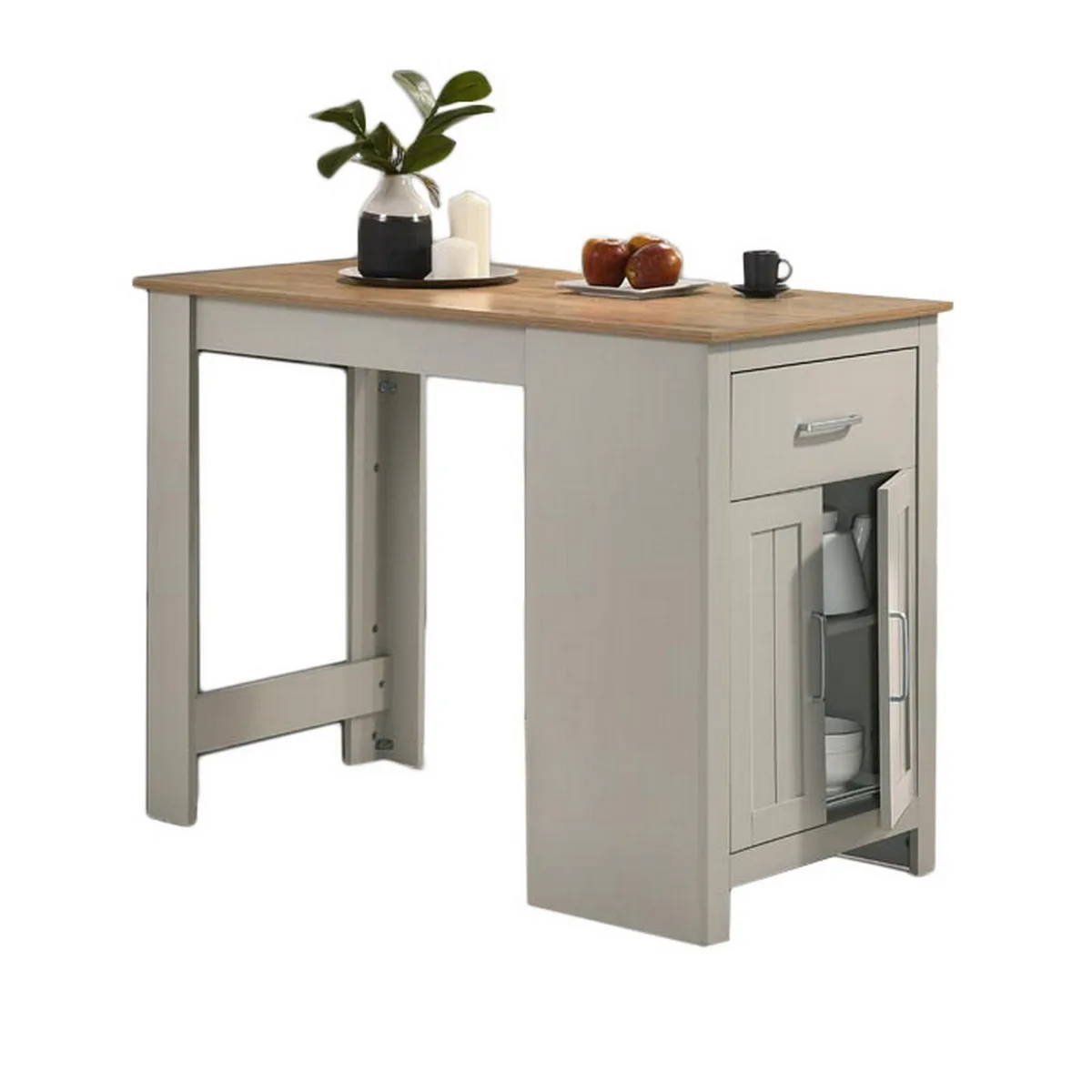 Modern
Brown Counter Height Dining Table with Storage Cabinet and Drawer, 47 Inch
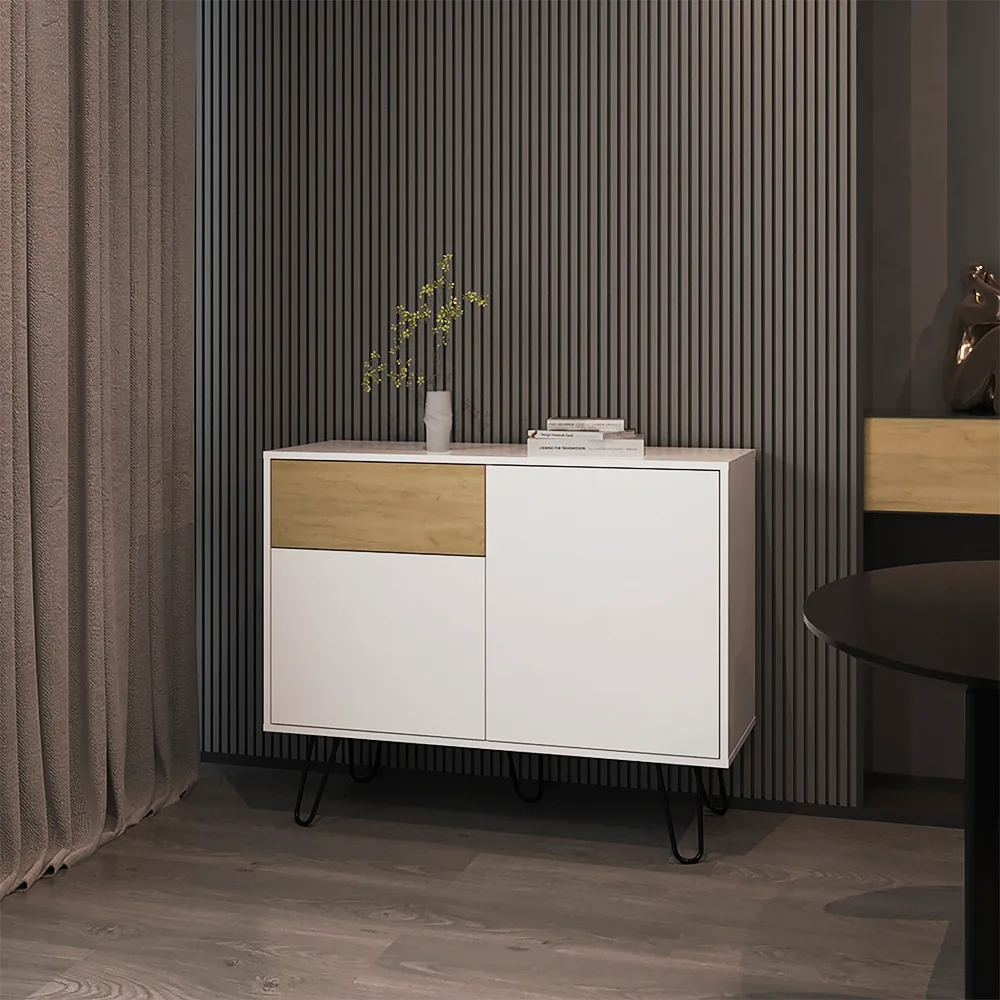 Modern
Platea Sideboard, Living Room, White/Macadamia
Related guides.
Entryway Storage Guide: Shoe Cabinets, Benches, and Consoles
Plan a small entryway with closed shoe storage, a landing surface, and a place to sit.
Read the guide →Buffet & Sideboard Guide: Storage for Dining Rooms
Choose a buffet or sideboard by length, height, storage, and dining room clearance.
Read the guide →